
Episode 83 – Using Historical Epidemiology during Covid with Kaspar Staub
Kaspar Staub (University of Zurich) joins the podcast to talk about his historical epidemiology work and how it provides helpful context for the ongoing Covid pandemic.
Kaspar Staub (University of Zurich) joins the podcast to talk about his historical epidemiology work and how it provides helpful context for the ongoing Covid pandemic.
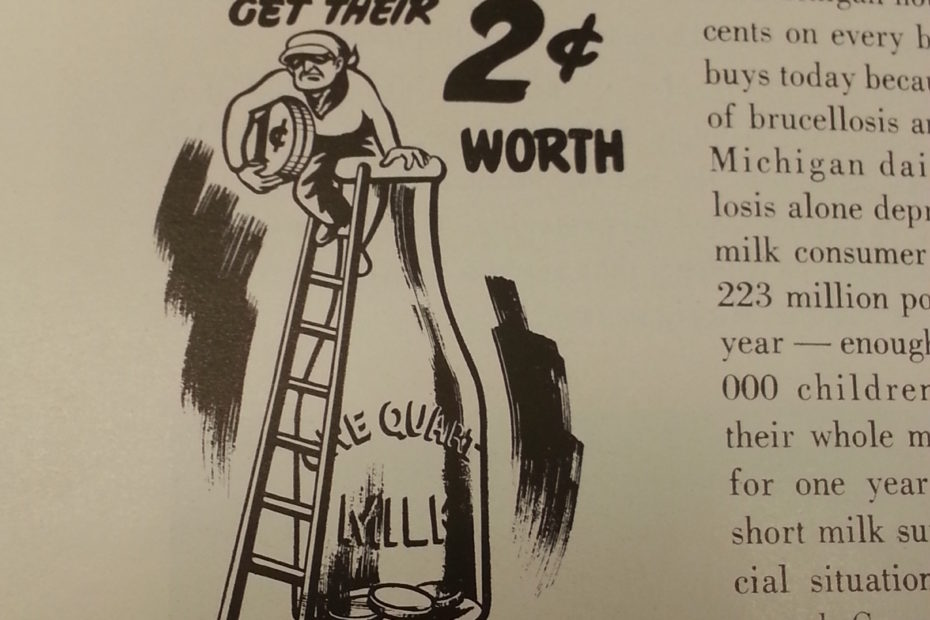
Rebecca Kaplan (Oklahoma State University) joins the Infectious Historians to discuss her work on animals and disease, focusing on brucellosis.
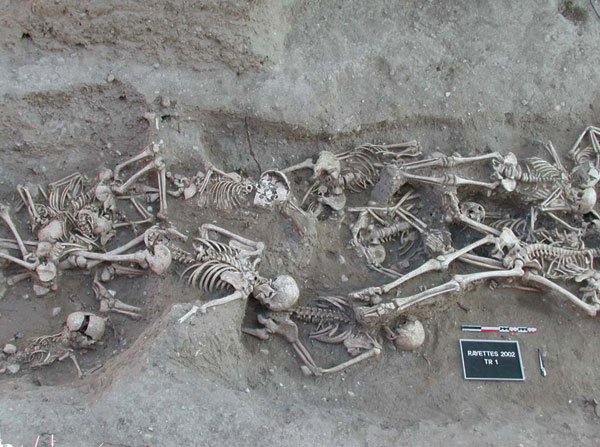
Susanne Hakenbeck (University of Cambridge) talks about the role of archaeology in understanding disease, pandemics, and climate change in the ancient and medieval periods.

Graham Mooney (Johns Hopkins University) joins the Infectious Historians to discuss how space and place shape the impact of a disease alongside how these ideas shape public health responses

Beatrix Hoffman (Northern Illinois University) joins the Infectious Historians to discuss the healthcare system in the United States and highlight the experience of immigrants in the country.
Emily Mendenhall (Georgetown University) joins the Infectious Historians to discuss Covid in her hometown in northwest Iowa

Jules Skotnes-Brown (University of St. Andrews) joins the podcast to discuss his work on the interface between humans, animals and the environment, particularly in the context of South Africa at the turn of the 20th century.
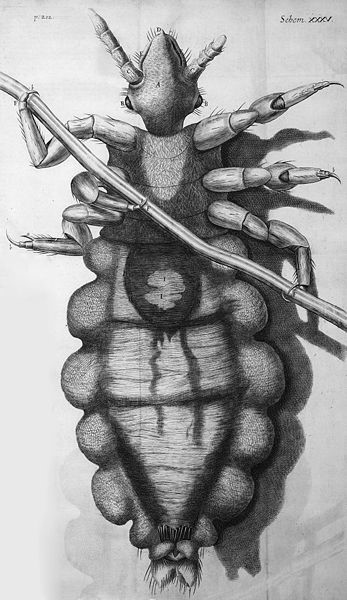
Lisa Sarasohn (Oregon State University) joins Merle and Lee to discuss her work on vermin, their interactions with humanity, and how humanity has perceived them over the past few centuries.

Kirsten Ostherr (Rice University) joins Merle and Lee to discuss her translational humanities website – which gathers humanities projects that attempt to make a direct intervention during Covid.
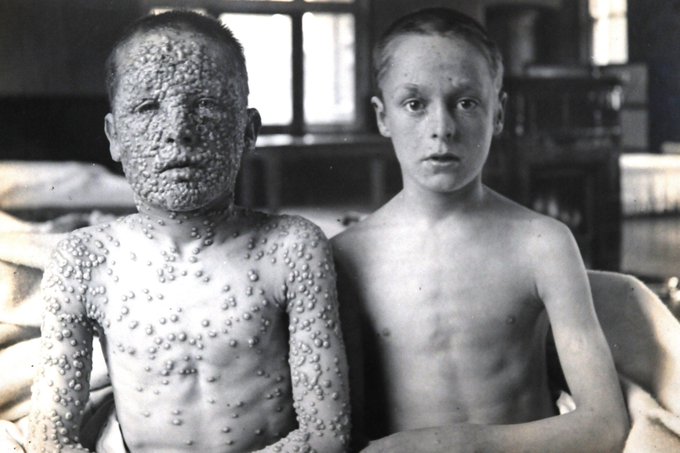
Andrew Wehrman (Central Michigan University) discusses the role of smallpox and inoculations during the American Revolution.

Merle and Lee take a step back to reflect on disease studies based on their experiences in the past.

Tim Newfield (Georgetown University) discusses the connected histories of climate change and disease pandemics with a focus on the early middle ages.

Todd Platts (Piedmont Virginia Community College) joins the Infectious Historians to discuss some of his work on zombie films as a form of disease movies.
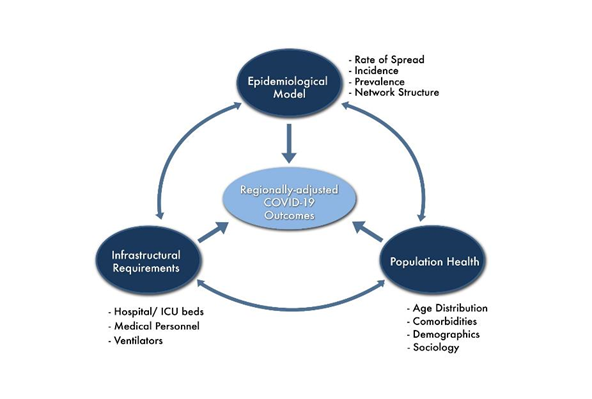
Ben Trump (US Army) joins Merle and Lee to discuss his job and its ties to Covid, policy and history.

Miri Shefer Mossensohn comes on the podcast to talk about her work on Ottoman histories of medicine and disease.

Tzafrir Barzilay (Ben Gurion University of the Negev) comes on the podcast to discuss his work on persecution of minorities before and during the Black Death, particularly through allegations of well poisoning.

Emily Webster (University of Chicago) talks about her work on plague outbreaks in Bombay at the turn of the 20th century and the importance of ecology to the study of disease.
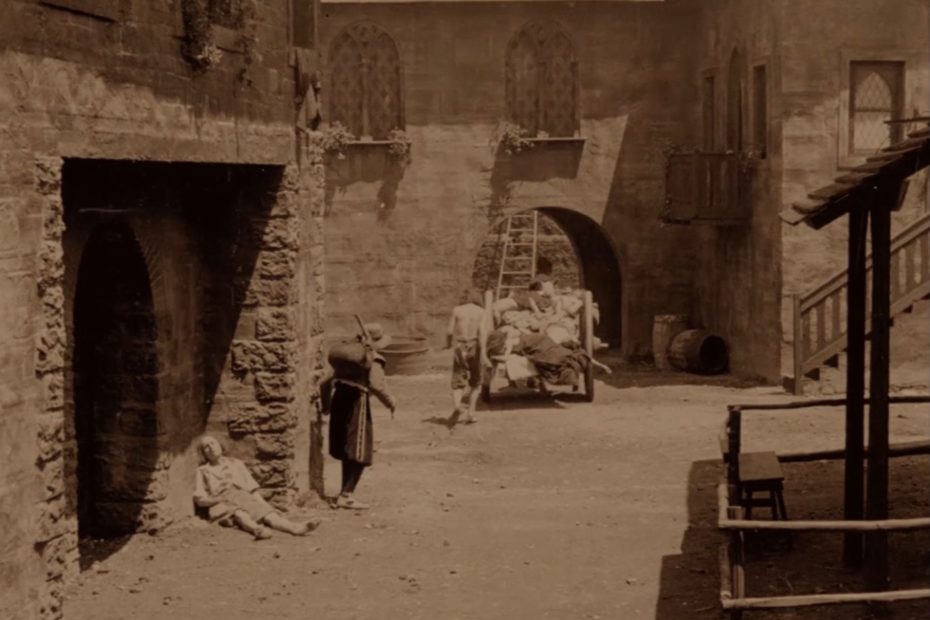
Daniel Curtis (Erasmus University Rotterdam) joins Merle and Lee to discuss his diverse work on early modern pandemics, inequality, quantitative methodologies and movies.

Audra Wolfe discusses her work on scientific freedom and its impact on how we think about science from the Cold War to the present day.

Zachary Dorner (University of Maryland) joins Merle and Lee to discuss his work on the role of early modern commerce and capitalism in changing how medicine is administered and medical ideas about the body.

Janet Kay (Princeton) returns to the podcast for her promised reflections on teaching a course on plagues and pandemics during the Spring 2021 semester with lessons learned and ideas for the future.

Robin Scheffler (MIT) joins Merle and Lee to discuss his work on cancer, including the perception of cancer as an infectious disease.

Fever in 2021? Isolation. Fever in 1884? Immolation. Ethan Friedrich / May 17, 2021 Whether at the point of a gun or down the lens of a futuristic thermal camera, temperature scans are an all-too-common… Read More »Fever in 2021? Isolation. Fever in 1884? Immolation.

Abigail Dumes (University of Michigan) comes on the podcast to talk about Lyme Disease and how it has shaped clinical diagnoses and debates over long term symptoms
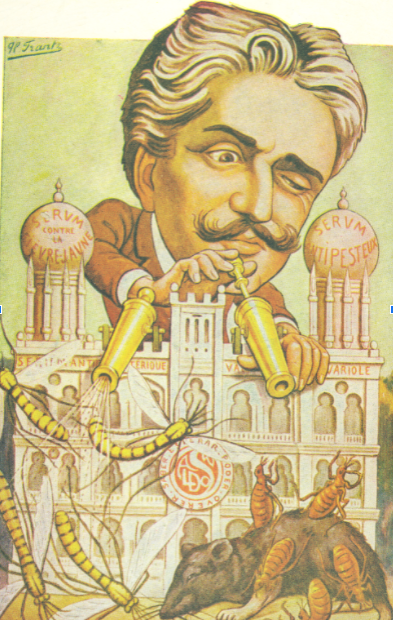
Matheus Duarte (University of St. Andrews) sits down with Merle and Lee to discuss plague in Brazil at the turn of the 20th century, medical solutions to the outbreak, and the creation of microbiology.
Scott Gabriel Knowless comes on the podcast to discuss his daily show, Covid Calls, and what he has learned from talking to people from across the world since March 2020.
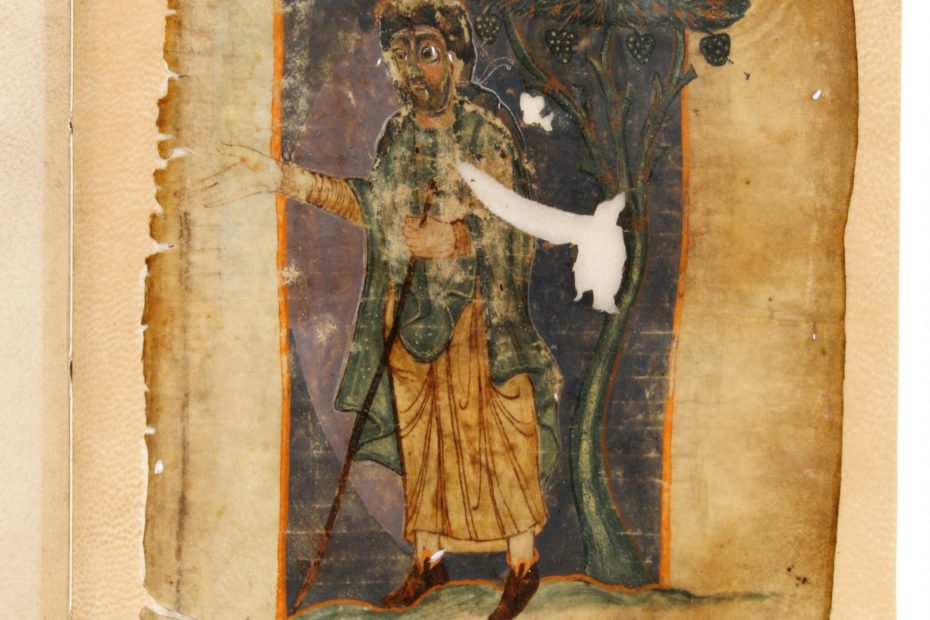
Meg Leja (SUNY Binghamton) joins the podcast to discuss her work on the history of medicine and disease during the Early Middle Ages.

Jim Webb (Colby College) comes on the podcast to talk about historical epidemiology and how it might transform the research on diseases in the past, present, and future.

Svenn-Erik Mamelund (OsloMet) comes on the podcast to talk about his research as a historical demographer, using one’s research to influence policy and conducting outreach.

Dora Vargha (University of Exeter) sits down to talk about the impact of post-World War Two polio epidemics in Hungary and how these epidemics shed light on the end of pandemics.
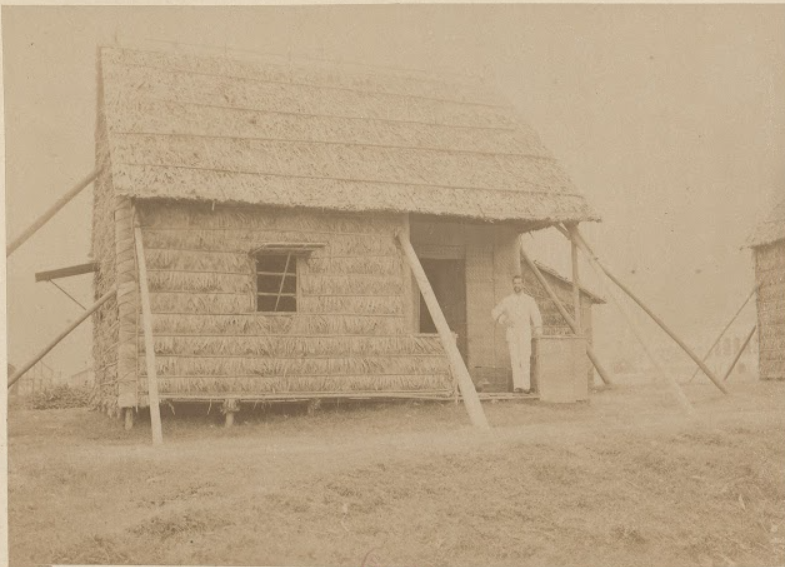
Michael Vann (California State University, Sacramento) returns to the Infectious Historians podcast, this time to discuss Alexandre Yersin’s life from a critical perspective.
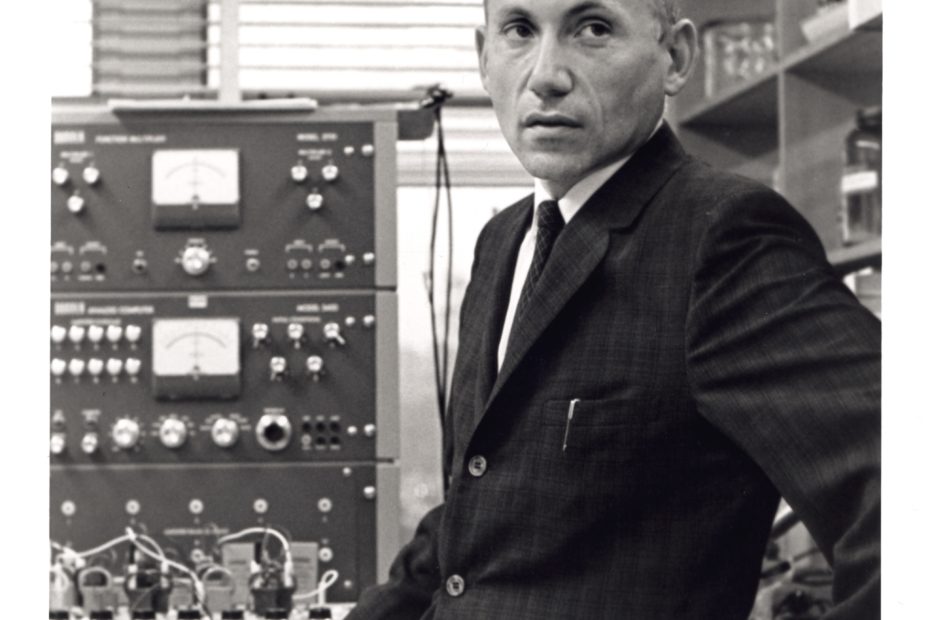
Nathan Crowe (U. of North Carolina-Wilmington) discusses the career of the scientist Joshua Lederberg and his role as a public scientist and policy influencer across the second half of the 20th century.

Merle and Lee celebrate one year of Infectious Historians by reflecting on the past year, Covid, and the podcast.

Urmi Engineer Willoughby (Pitzer College) talks to Merle and Lee about her work on Yellow Fever outbreaks in New Orleans across the 19th century.

Jessica Wright (University of Sheffield) joins Merle and Lee to discuss her work linking ancient medicine and Christian heresy.
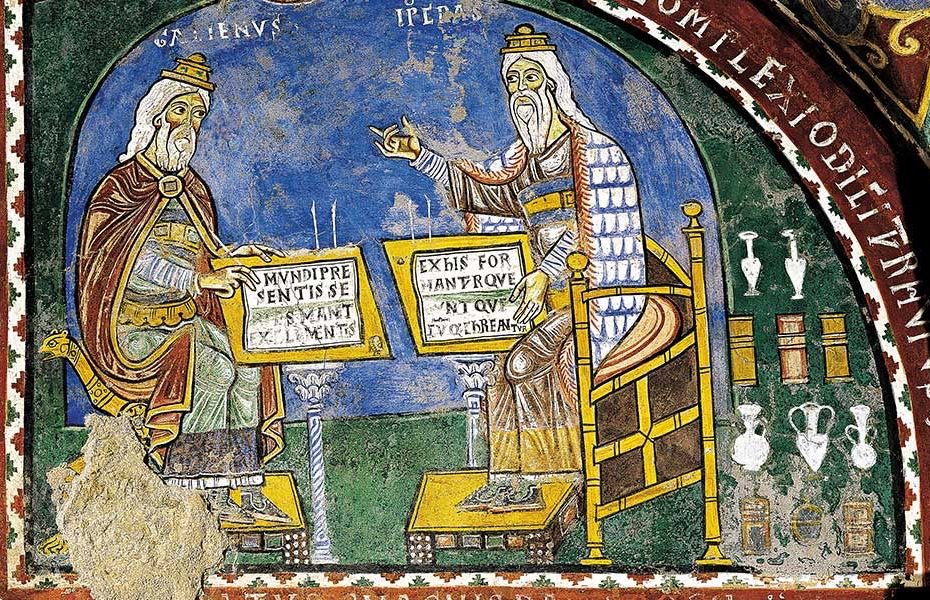
John Mulhall (Harvard University) discusses what the medieval translation movement was and his own work on how late ancient authors innovated in their medical knowledge about plague.

Khary Polk (Amherst College) joins the Infectious Historians to discuss his work about Black laborers in the US military and their perceived immunity to infectious diseases in the first half of the 20th century.

Richard McKay (University of Cambridge) discusses his work on the history of Patient Zero and the HIV/AIDS epidemic.

Stephanie Marciniak (Penn State University) discusses her work studying historical diseases through their ancient DNA.
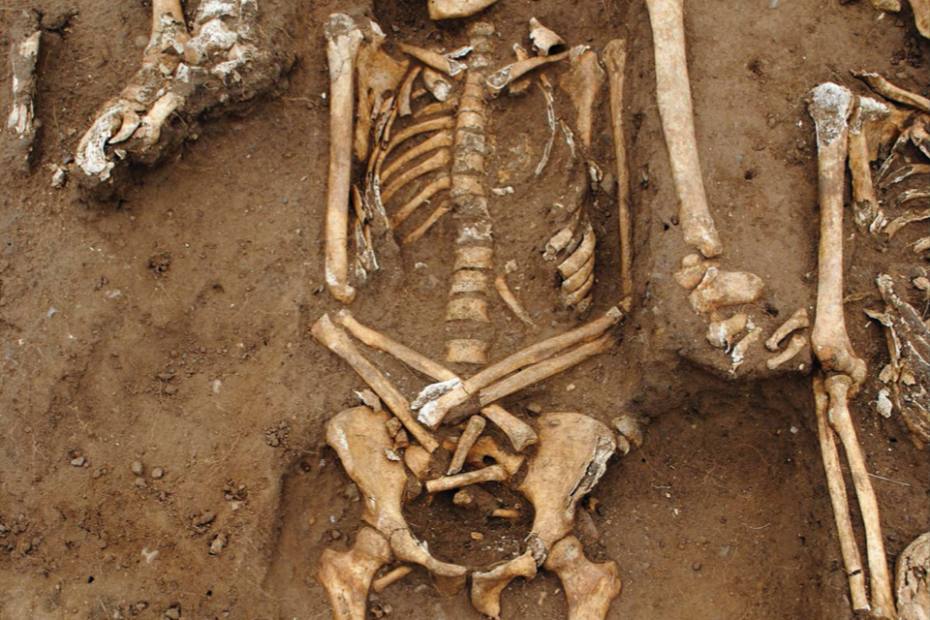
Janet Kay (Princeton University) discusses the planning, aims, and assignments for her course this semester (Spring 2021) “Art & Archaeology of Plague.”

Lukas Engelmann (University of Edinburgh) discusses his work on the history of epidemiology and epidemiological models with Merle and Lee.

Adia Benton (Northwestern University) discusses the 2014 West African Ebola outbreak and why Ebola, as a charismatic disease, has such a powerful hold over our imagination.